
What Happens During Preconstruction?
Preconstruction helps define the site, scope, design coordination, budget, permits, and schedule before complex construction begins.
By DA Construction ·
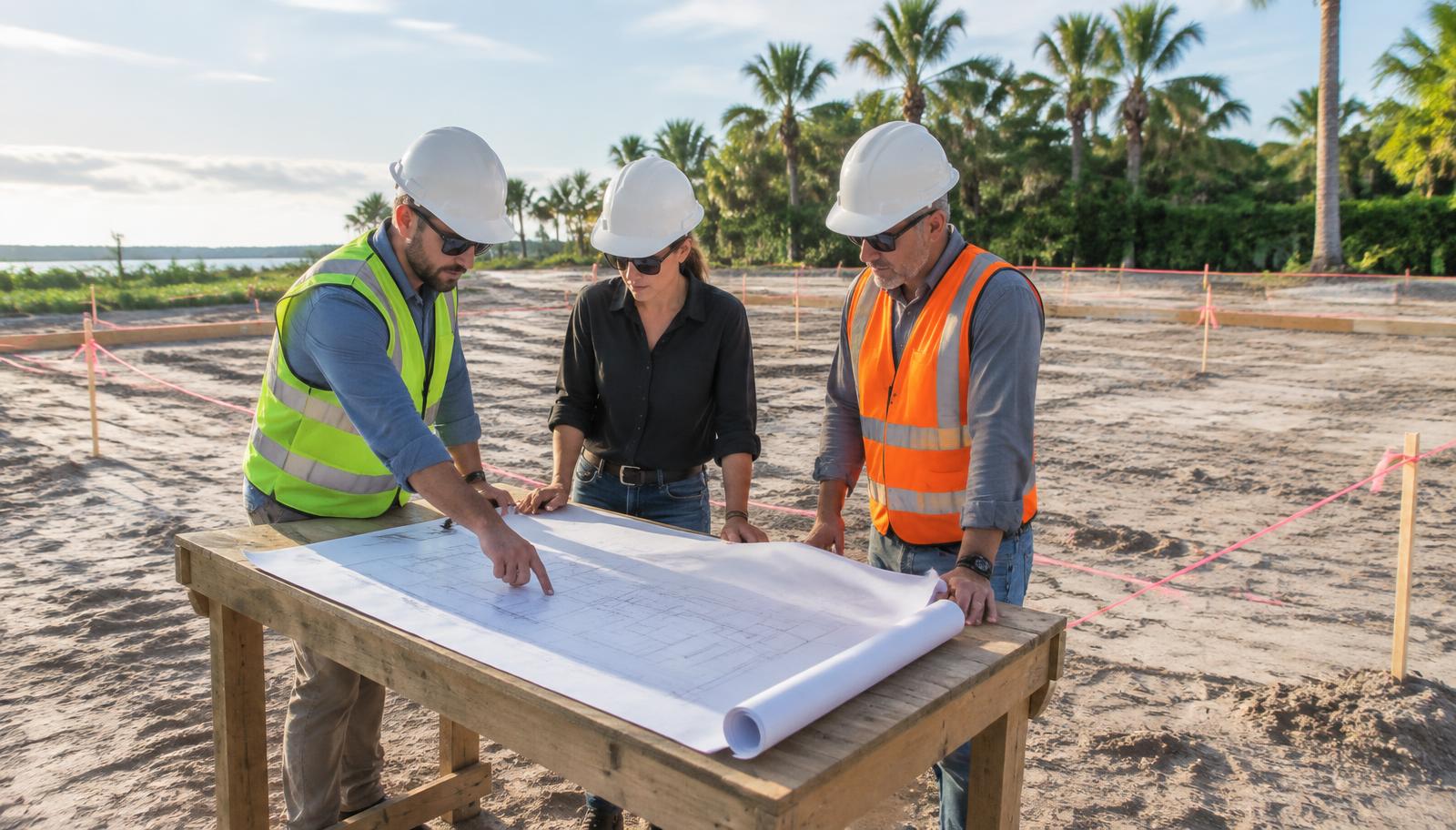
Preconstruction is the planning work that helps turn a project idea into a defined plan for construction. It is especially useful when a project involves engineering, permitting, multiple trades, site conditions, or significant schedule consequences.
The goal is to answer important questions before crews mobilize: What is being built? What professionals need to be involved? What decisions are still open? What permits and inspections may apply? How should the work be sequenced?
What can the process include?
Depending on the project, preconstruction may include:
- Site and existing-condition review. Consider access, grade, utilities, structure, and constraints.
- Scope development. Describe the work clearly so the team is planning the same project.
- Design coordination. Align architectural, structural, and mechanical, electrical, and plumbing information.
- Budget development. Review trade pricing, allowances, selections, and assumptions.
- Schedule and logistics planning. Consider procurement, permitting, inspections, site access, and sequencing.
- Preparation for construction. Resolve open items and establish a workable plan.
Not every project needs the same level of planning. A straightforward repair may be ready for a conventional estimate, while a new home, structural addition, metal building, or commercial renovation may need more coordination.
Start with the information you have
You do not necessarily need a finished set of drawings to begin a project conversation. Bring the property address, concept, photos, existing plans, and your goals. The team can discuss what information is needed next.
DA Construction’s preconstruction services cover site review, scope, design coordination, budget development, and planning for construction. Request a project consultation to discuss whether your project should start with preconstruction.
This article is general educational information, not legal, engineering, code, or insurance advice for a specific property. Requirements vary by jurisdiction and project. Confirm details with your local building department and qualified professionals.